Experts in the food sector
High-quality equipment solutions for the most demanding environments.


Real examples of companies in the food industry
We show you some of our success stories from food industry clients who have equipped their facilities with our solutions:
HELADOS ALACANT
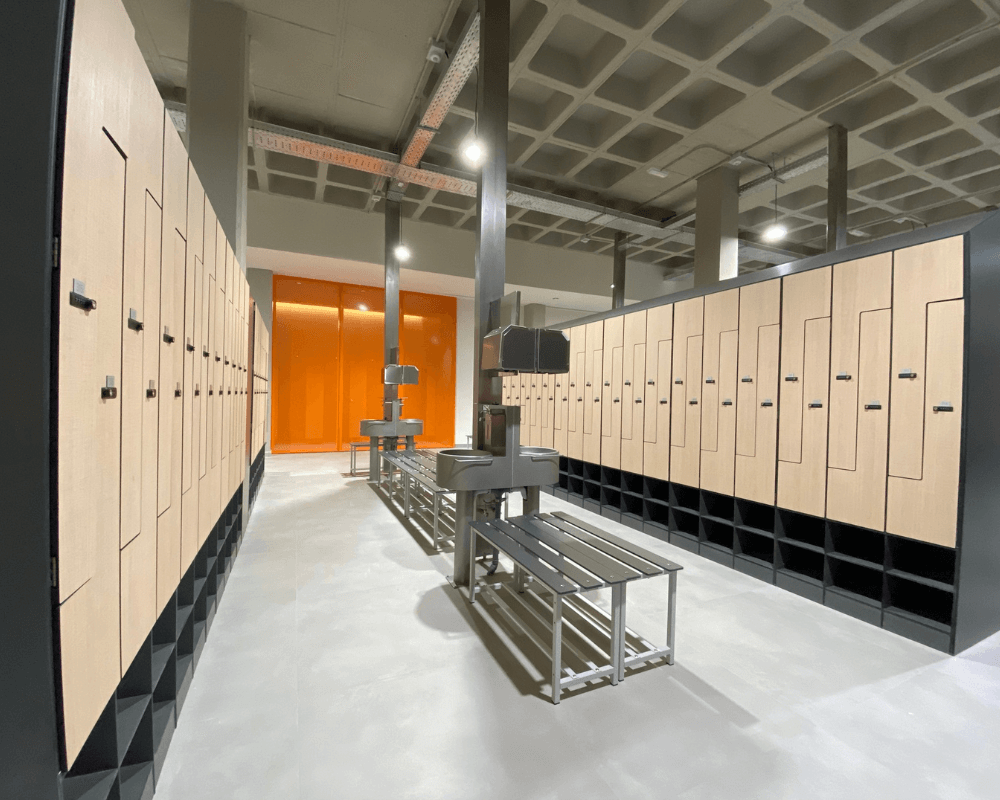
Location: Alicante
Solution: Phenolic lockers and benches
GRUPO JORGE
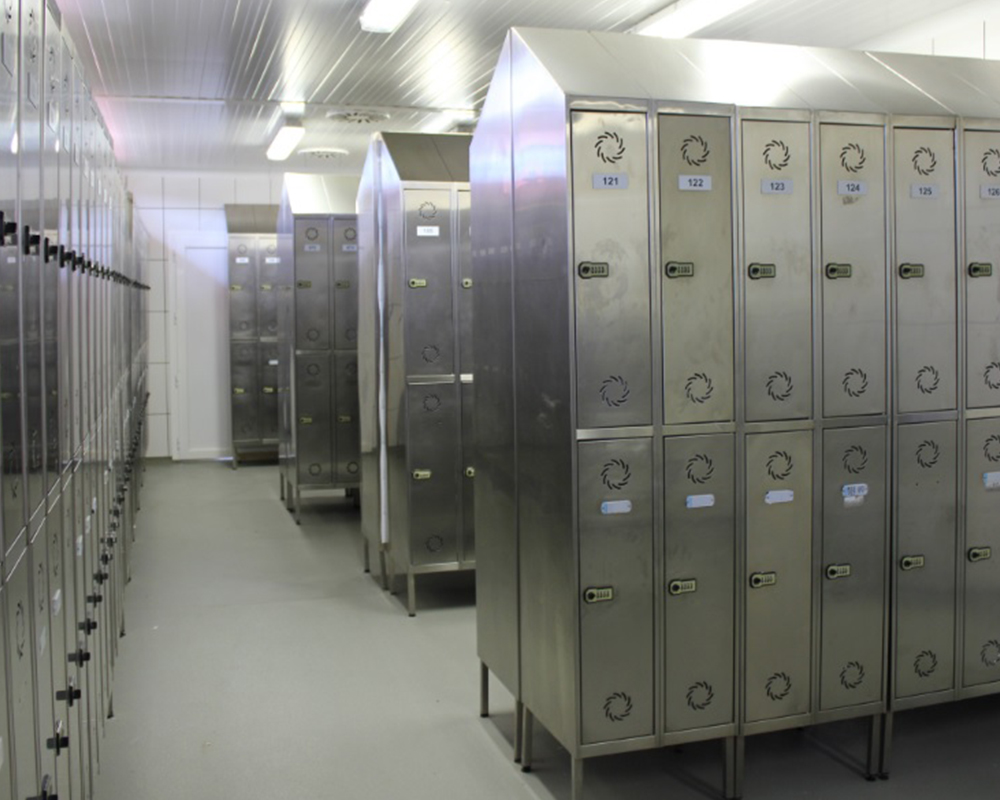
Location: Zaragoza
Solution: Stainless steel lockers
TIMAC AGRO
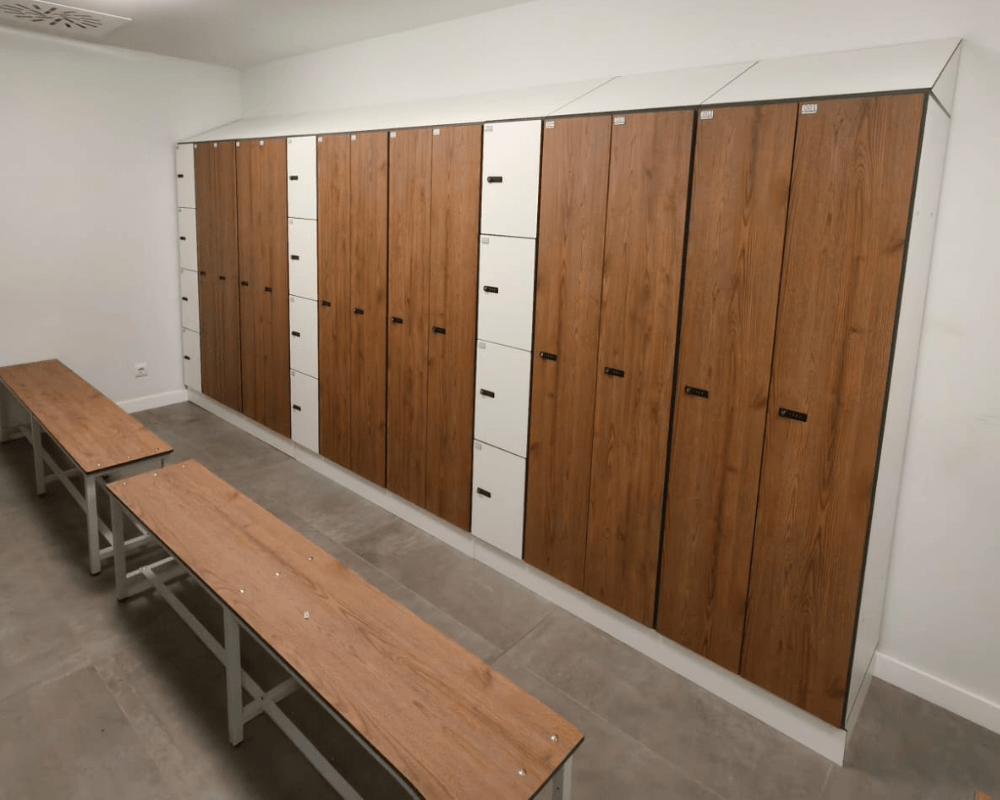
Location: Navarra
Solution: Phenolic lockers and benches
CERVEZAS ÁMBAR
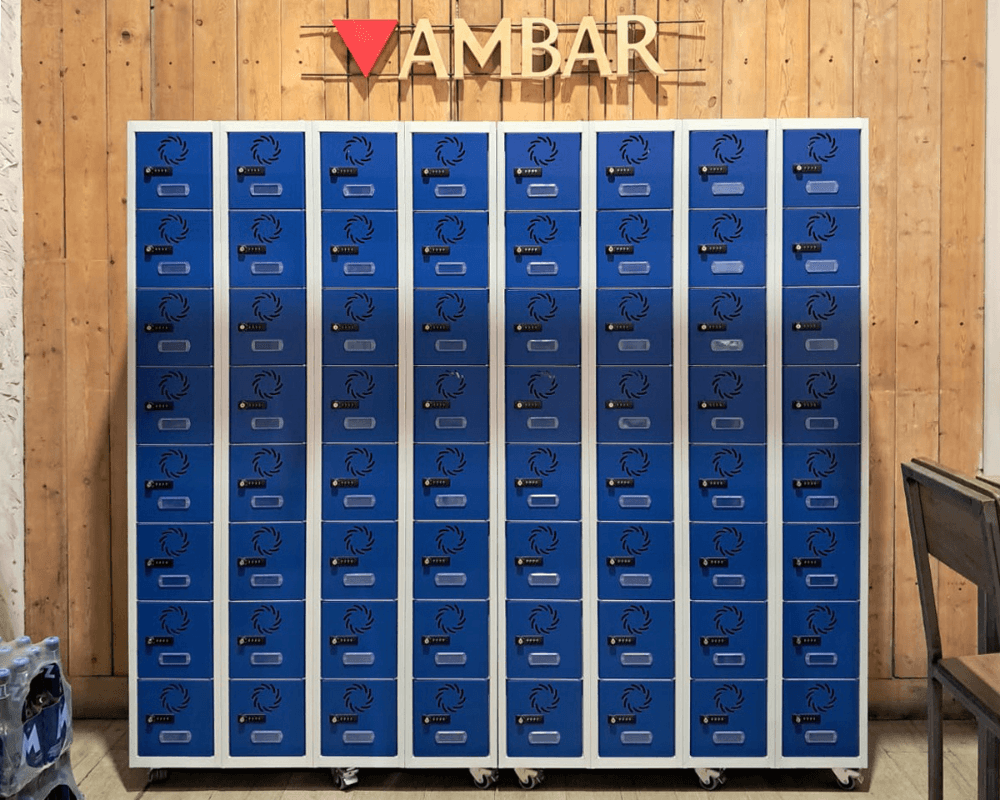
Location: Zaragoza
Solution: Welded metal lockers with casters
CÁRNICAS LA LITERA
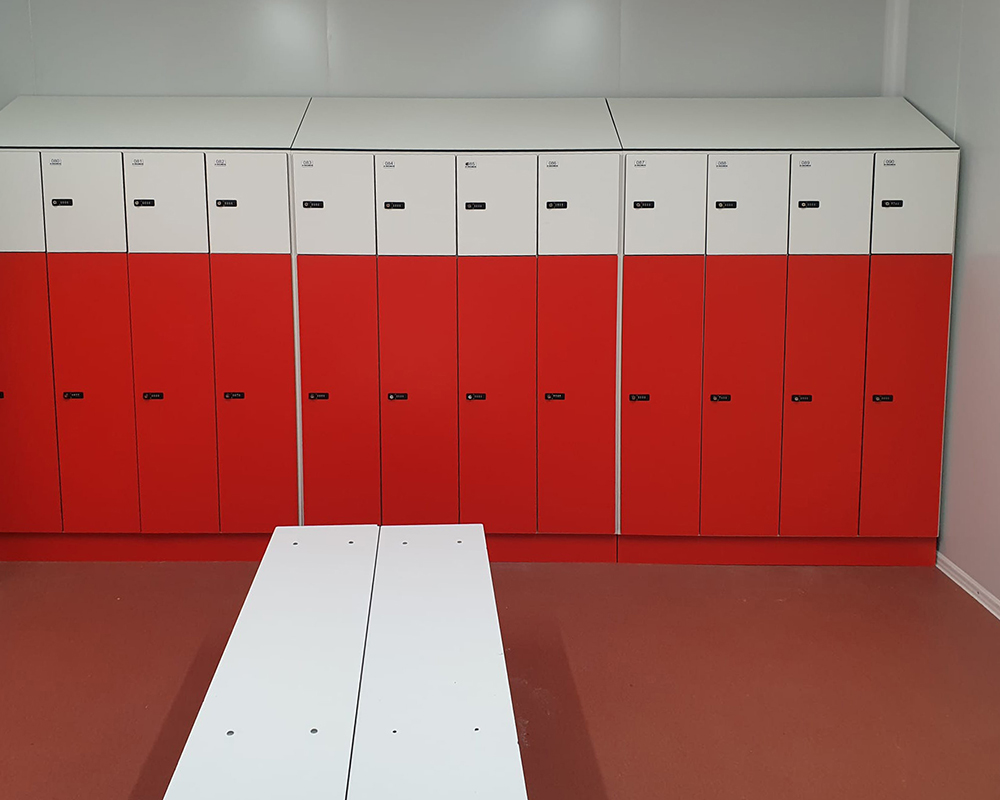
Location: Huesca
Solution: Phenolic lockers and benches
GREFUSA
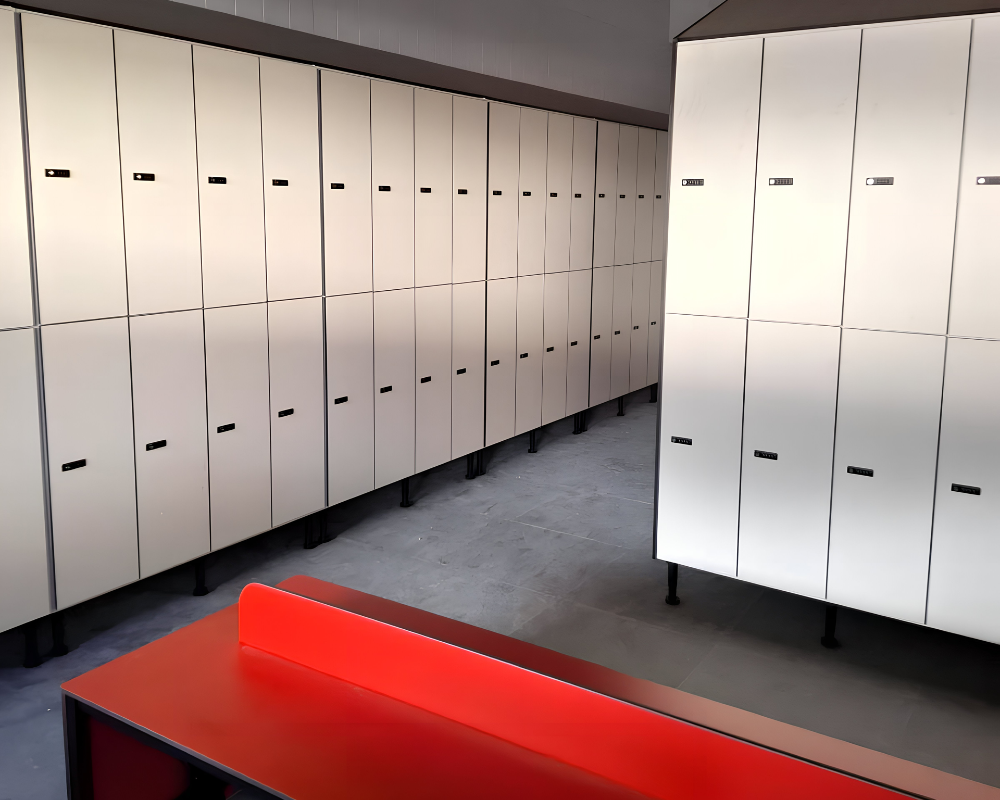
Location: Portugal
Solution: Phenolic lockers and benches
They trust us







Request a no-obligation quote
Our team will handle your request personally
What type of equipment do we recommend for the food industry?


A food company needs a locker room designed as a hygienic barrier between the outside and the production area, with solutions that allow the separation of street clothing, workwear, and footwear.
In food environments, equipment should not be chosen solely based on capacity or price, but rather on its ease of cleaning, resistance to moisture, durability, and contribution to the daily organization of the workforce.
Megablok lockers help prevent cross-contamination in locker rooms by allowing the proper separation of street clothing, workwear, footwear, and personal items. This separation reduces the risk of dirt, moisture, or external particles reaching food handling or production areas.
Therefore, in the agri-food sector, easy-to-clean solutions that are resistant to intensive use and adapted to each plant’s internal hygiene protocols and current regulations are recommended.
Mainly two types: phenolic lockers and stainless steel lockers. Phenolic lockers are a very suitable solution for wet or high-turnover areas due to their resistance, ease of cleaning, and good performance in demanding locker rooms. Similarly, stainless steel lockers are especially attractive for their maximum resistance, hygiene, and durability against moisture, frequent cleaning, and intensive use.
The ROI of a locker room is not measured in direct revenue, but in avoided risks and reduced costs. Appropriate equipment with lockers and benches that offer a long service life decreases premature replacements, maintenance hours, cleaning incidents, audit non-conformities, and problems derived from the misuse of space. In short, operational savings (OPEX) and avoided investment (CAPEX).
In the food industry, investing in resistant and hygienic locker rooms protects operations, the image before clients and auditors, and worker safety.
In other words, which is more profitable: equipment with a cost of X and a service life of Y, or equipment with a cost of 2X and a service life of 4Y?
Locker rooms in the food industry must facilitate adequate hygienic conditions to prevent contamination risks and guarantee worker safety. Beyond regulatory compliance, the objective is to establish an effective separation between street clothing and workwear, favoring proper hygiene before accessing production areas.
To achieve this, it is essential to have appropriate lockers, materials resistant to moisture, and systems that allow for frequent and efficient cleaning. In addition, the layout of the space must favor the entry and exit flows of personnel without compromising internal protocols.
A well-designed locker room not only helps comply with legal requirements and food quality standards, but also reduces incidents during audits and improves the daily organization of the plant.
Many incidents detected during audits originate from issues related to the condition or organization of locker rooms. Among the most common errors are deteriorated lockers, surfaces that are difficult to clean, lack of space to separate street clothing from workwear, accumulation of moisture, or equipment that hinders cleaning tasks.
Although each audit evaluates multiple factors, having orderly, hygienic facilities adapted to the company’s activity facilitates compliance with internal protocols and conveys an image of control and professionalism.
Investing in equipment designed for food environments helps minimize risks, simplifies inspections, and reduces the occurrence of corrective actions that cause unforeseen costs.
Industry news
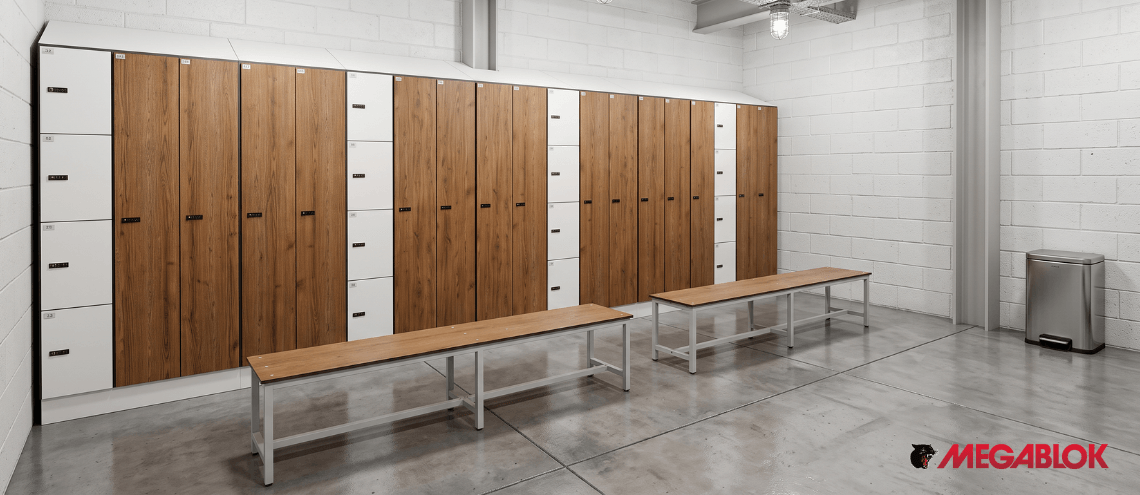
How to efficiently design an employee locker room (Megablok Guide)
A well-designed employee locker room is not simply a [...]
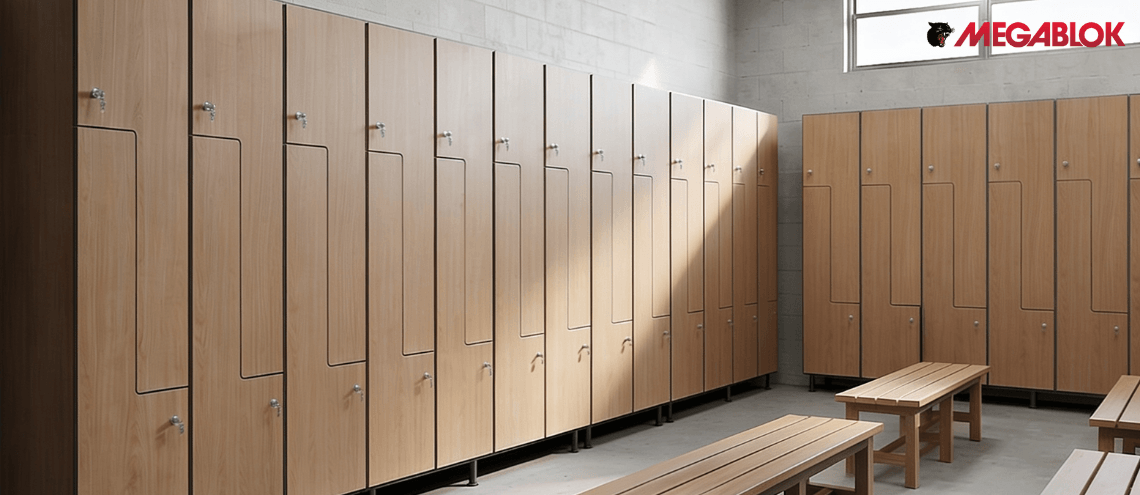
The hidden cost of poorly designed locker rooms: a serious problem many companies overlook
When a company analyzes its operating costs, it usually [...]
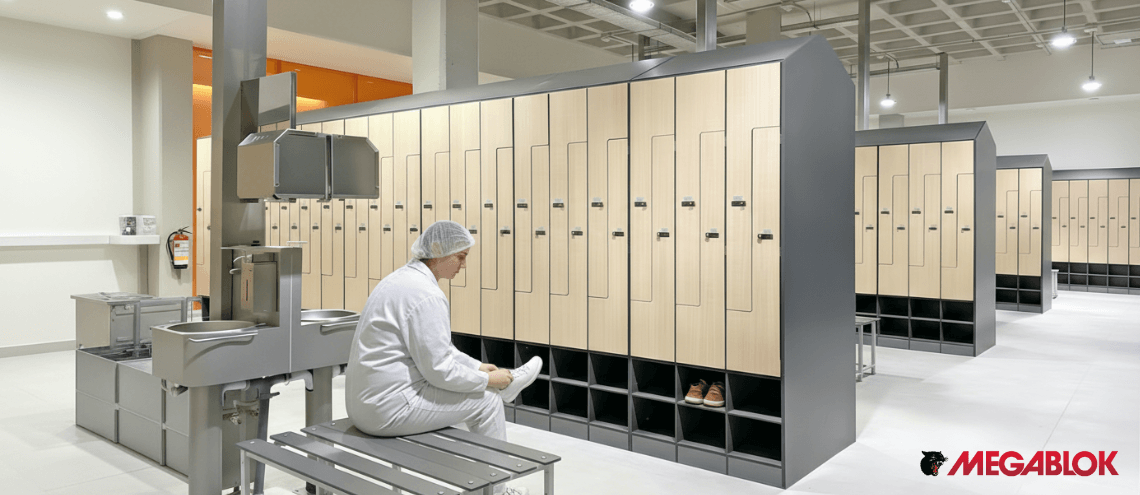
What is the ROI of a locker room? The 4 keys to the equipment that your company protects
In the food sector there are no "minor details": [...]

Porc d’Or Awards 2025: excellence and innovation lead the way for the Spanish pork sector
The Porc d’Or Awards, promoted by IRTA (Institut de [...]